
 Pin It
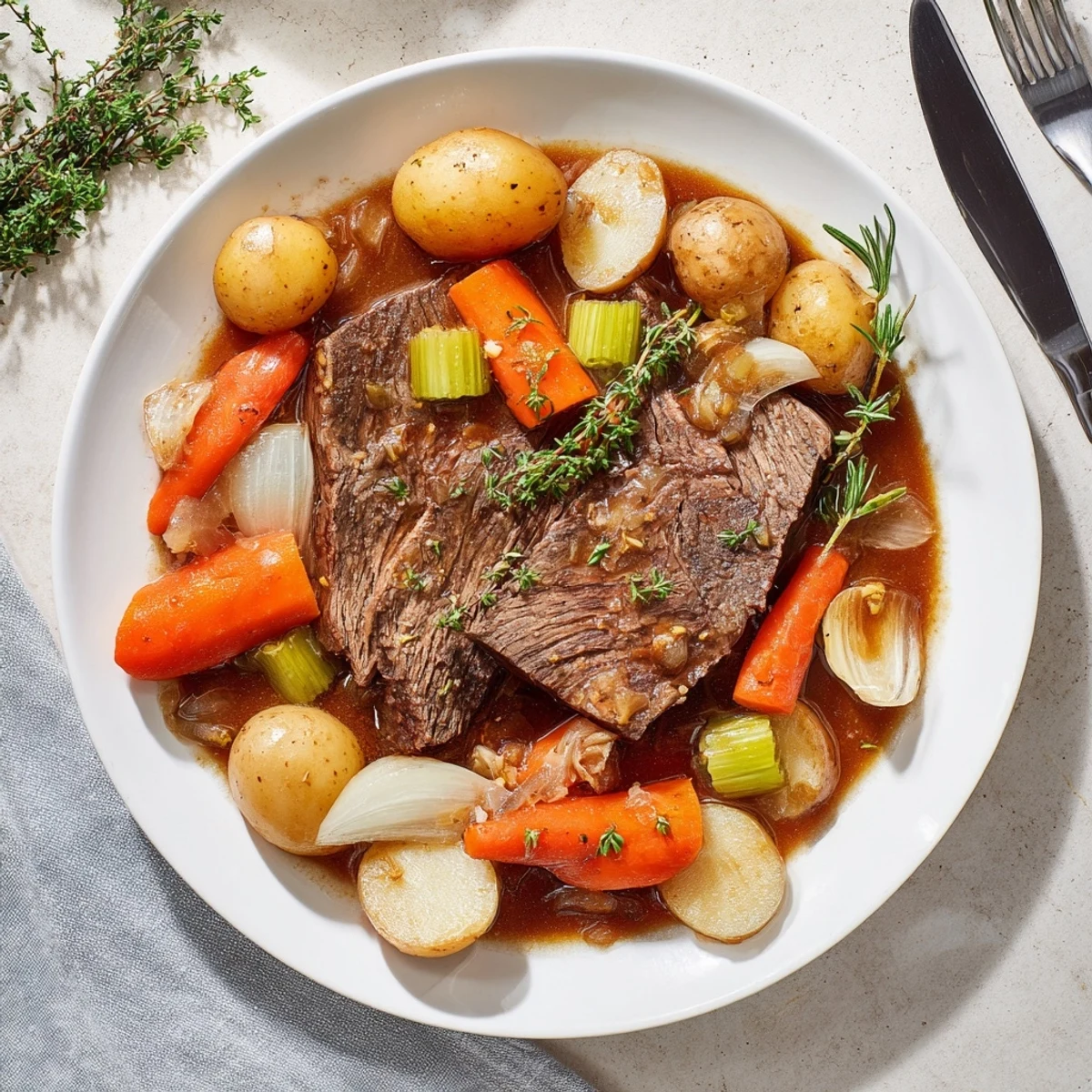
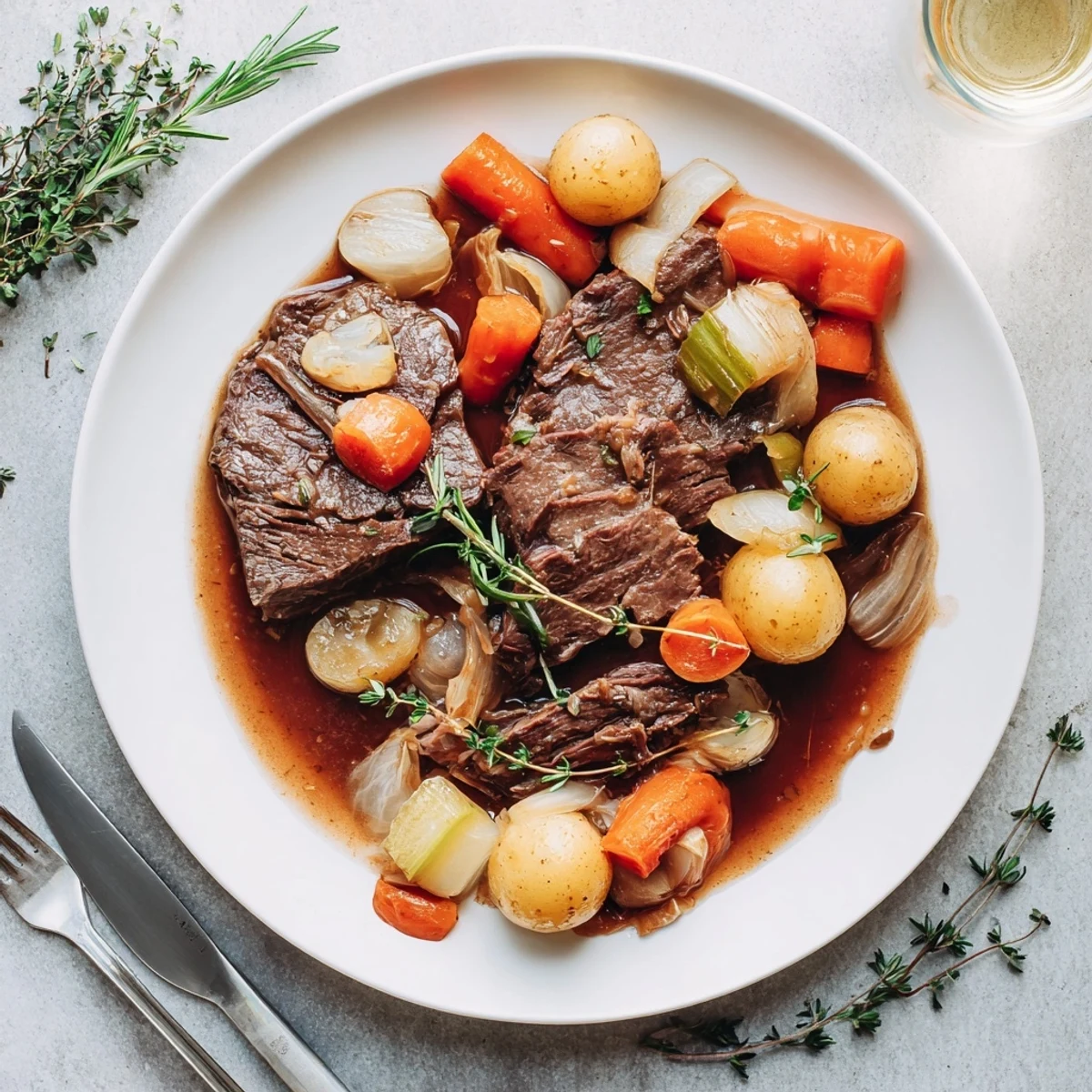
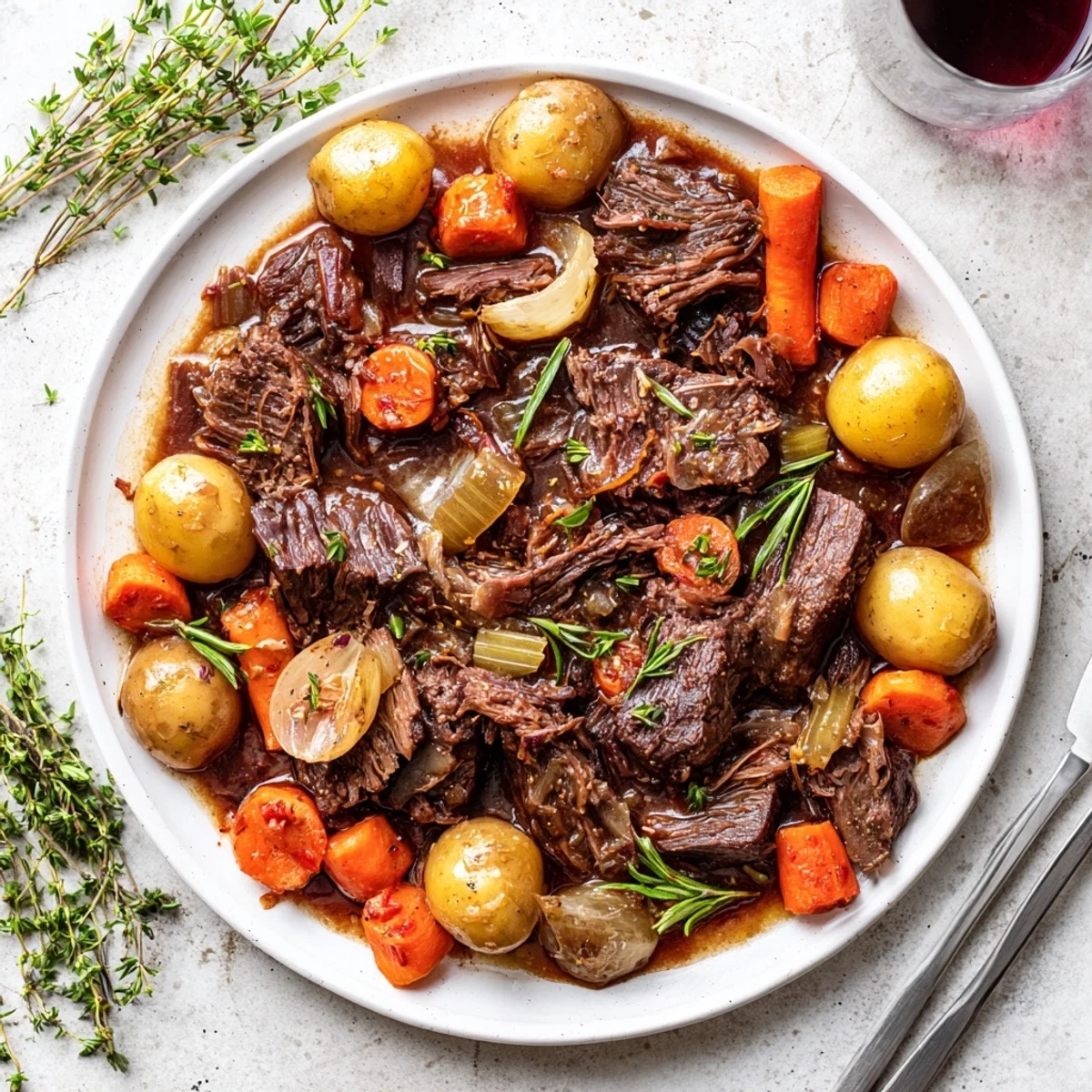
 This classic beef chuck roast transforms through slow braising with fresh herbs, aromatic vegetables, and red wine into meltingly tender meat. The three-hour cooking process allows the beef to become fork-tender while developing deep, savory flavors from thyme, rosemary, and bay leaves.
Root vegetables add natural sweetness, while the braising liquid creates a rich sauce perfect for serving. This hearty dish pairs beautifully with mashed potatoes or creamy polenta for a complete comfort meal that feeds six people generously.
The smell of thyme and rosemary hitting hot olive oil still takes me back to my first apartment, where I attempted Sunday pot roast on a tiny electric stove that took forever to heat up. My roommate kept wandering into the kitchen every twenty minutes asking if it was done yet, not understanding that good things genuinely cannot be rushed. That roast taught me everything I know about patience, and honestly, about the kind of cook I wanted to be.
I made this for my father last winter, and he actually went quiet for a full minute after taking his first bite. That man never goes quiet about food unless something has genuinely impressed him. Seeing someone who has been cooking for forty years get excited about your version of a classic feels better than any compliment I could imagine.
Ingredients
- Beef chuck roast: The marbling and connective tissue break down during braising, creating that silky texture we are after
- Kosher salt and black pepper: Do not skip the generous seasoning here, it is the only chance to flavor the meat itself
- Yellow onions, carrots, and celery: This classic aromatics trio forms the flavor foundation that melts into the sauce
- Garlic: Minced fresh adds that aromatic backbone that mellows beautifully during the long cook
- Olive oil: Use a decent quality oil since you are searing at high heat and building the base flavor
- Beef broth: Homemade is ideal but any low sodium quality broth works perfectly
- Dry red wine: Something you would actually drink, as it reduces down into the sauce
- Tomato paste: Adds depth and a subtle richness that rounds out the wine and broth
- Bay leaves, thyme, and rosemary: Fresh herbs make a noticeable difference in the final flavor profile
- Baby potatoes: Optional but they soak up all that braising liquid and become the best part
Instructions
- Season the meat:
- Pat the chuck roast thoroughly dry with paper towels, then rub salt and pepper into every surface
- Get the sear:
- Heat olive oil in your Dutch oven until shimmering, then brown the roast deeply on all sides, about 3 to 4 minutes per side
- Build the base:
- Cook the onions, carrots, and celery until they soften and turn golden, then add the garlic for just one minute
- Deglaze and layer:
- Stir in the tomato paste, pour in the wine, and scrape up the browned bits before adding broth and herbs
- The long wait:
- Return the roast to the pot, bring everything to a simmer, cover, and braise at 325 degrees F for 3 hours
- Finish and serve:
- Remove the herbs and let the meat rest for 10 minutes before slicing, serving with vegetables and plenty of sauce
 Pin It
 This recipe saved a rainy Sunday when my best friend was going through a breakup. We put the roast in the oven, opened a bottle of the same wine we used in the braise, and let the low and slow process do its emotional work. Sometimes the most healing meals are the ones that demand you slow down and stay present.
Making It Your Own
I have swapped parsnips for carrots when the garden produced an unexpected bounty, and the slight sweetness shift was fantastic. Turnips work beautifully too, adding a little peppery bite that cuts through the rich meat. The vegetables end up so tender they practically dissolve, which is exactly what you want in a long braise.
Getting The Sauce Right
If you prefer a thicker gravy, remove the meat and vegetables after braising, then simmer the liquid on the stove until it reduces to your desired consistency. The flavors concentrate dramatically as it reduces, so taste as you go. This step transforms an already good sauce into something truly restaurant quality.
Perfect Sides
Mashed potatoes are the classic choice for good reason, but creamy polenta might be even better for catching all that sauce. I have also served this over buttered egg noodles when I needed something faster. Whatever you choose, make sure it is something that can stand up to the rich braising liquid.
- Crusty bread is never a bad idea for sopping up the last bits
- A simple green salad with bright vinaigrette cuts through the richness
- Leftovers, if there are any, make incredible sandwiches
 Pin It
 There is something deeply satisfying about a dish that rewards patience so generously. Good food takes time, but this recipe proves that time is always well spent.
Recipe Questions & Answers
- → What cut of beef works best for braising?
-
Chuck roast is ideal for braising due to its marbling and connective tissue. The long, slow cooking breaks down these tissues, resulting in tender, flavorful meat that shreds easily.
- → Can I make this in a slow cooker instead?
-
Yes, sear the beef first on the stovetop, then transfer everything to a slow cooker. Cook on low for 8-10 hours or high for 4-5 hours until the meat is tender.
- → What wine substitutes work well?
-
Replace red wine with additional beef broth, balsamic vinegar mixed with broth, or grape juice. Each substitute will slightly alter the final flavor profile but still produce delicious results.
- → How do I store and reheat leftovers?
-
Store in an airtight container for up to 4 days. Reheat gently on the stove with a splash of broth, or freeze for up to 3 months. The flavors often improve after resting overnight.
- → What vegetables can I add or substitute?
-
Parsnips, turnips, or rutabaga work well instead of carrots. Baby potatoes can be added during the last hour of cooking. Avoid delicate vegetables like zucchini as they'll become mushy.
- → How do I thicken the braising sauce?
-
Remove the meat and vegetables after cooking, then simmer the liquid on the stove until reduced by half. Alternatively, whisk in a cornstarch slurry or coat the beef in flour before searing.