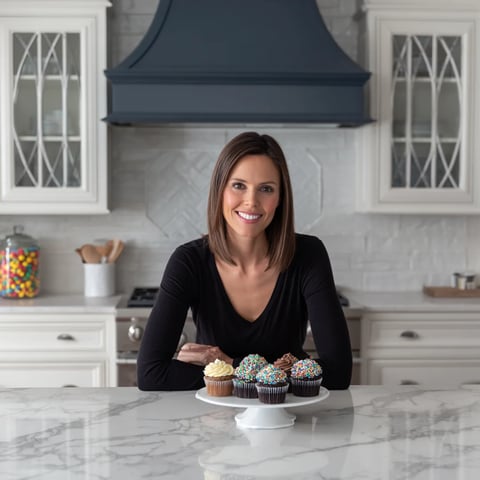
 Pin It
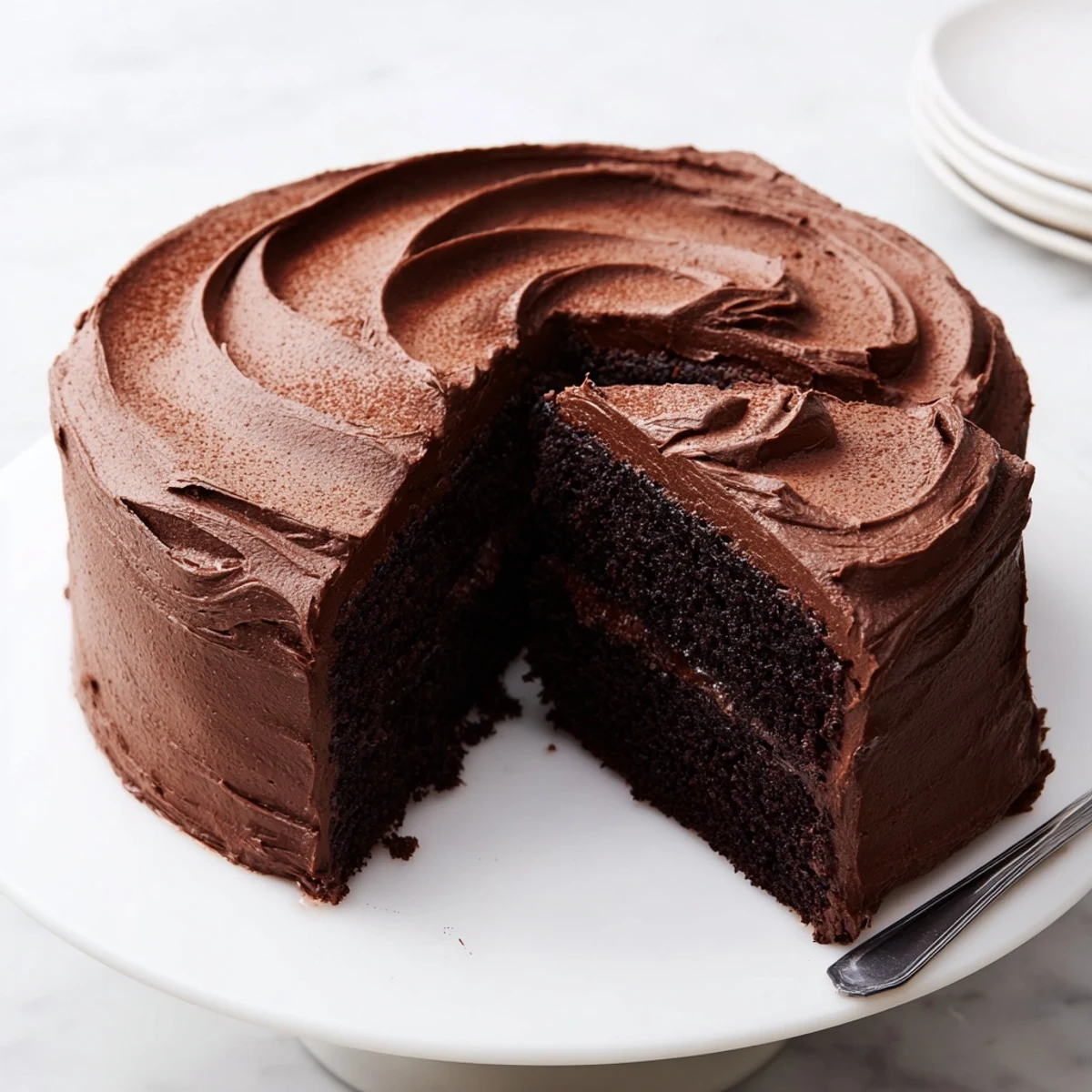
 This moist, rich chocolate cake combines unsweetened cocoa, all-purpose flour, sugar, and a touch of baking powder and soda. Eggs, milk, oil and vanilla yield a tender crumb; boiling water thins the batter for deep chocolate intensity. Bake in two 9-inch pans, cool, then assemble with a butter-based cocoa frosting. Variations include adding instant coffee to the hot water or using buttermilk for extra tang.
The rain was hammering against the kitchen window the afternoon my sister called in tears over a breakup, and somehow I ended up promising her a chocolate cake within the hour. What followed was a chaotic, flour dusted blur that produced the most ridiculously moist cake either of us had ever tasted. She stopped crying somewhere between the second slice and her third cup of coffee. That cake has since shown up at every birthday, farewell, and random Tuesday that needed rescuing in our family.
I once brought this to a potluck where three different people asked if it was from a bakery. My neighbor Frank actually hid a slice in his jacket pocket before leaving, which told me everything I needed to know about how it turned out that night.
Ingredients
- 1¾ cups (220 g) all purpose flour: Provides the structure without making it dense. Spoon it into the cup and level off with a knife for accuracy.
- ¾ cup (75 g) unsweetened cocoa powder: This is where all the deep chocolate flavor comes from. Use a good quality brand if you can.
- 2 cups (400 g) granulated sugar: Essential for both sweetness and that tender, moist crumb everyone obsesses over.
- 1½ tsp baking powder and 1½ tsp baking soda: The double lift from both leavening agents gives this cake its beautiful rise.
- 1 tsp salt: Do not skip this. Salt amplifies chocolate like nothing else.
- 2 large eggs: They bind everything together and add richness to the texture.
- 1 cup (240 ml) whole milk: Whole milk matters here for fat content and a softer crumb.
- ½ cup (120 ml) vegetable oil: Oil keeps the cake moist for days longer than butter alone ever could.
- 2 tsp vanilla extract: A generous pour rounds out the chocolate and makes the flavor feel complete.
- 1 cup (240 ml) boiling water: This is the secret weapon. It blooms the cocoa and creates that impossibly thin, pourable batter that bakes into magic.
- ½ cup (115 g) unsalted butter, softened: The base of a silky frosting that spreads like a dream.
- 1¾ cups (220 g) powdered sugar: Gives the frosting its sweet, smooth body without any graininess.
- ½ cup (45 g) unsweetened cocoa powder for frosting: Double the chocolate means the frosting holds its own against the cake layers.
- ¼ cup (60 ml) milk for frosting: Adjust gradually until you reach the perfect spreading consistency.
- 1 tsp vanilla extract for frosting: A little warmth in the frosting balances the intensity of the cocoa.
Instructions
- Get your oven ready:
- Preheat to 350°F (175°C) and grease two 9 inch round pans, then dust them with flour. Tap out the excess so you do not end up with white patches on your cake edges.
- Whisk the dry team together:
- In a large bowl, combine the flour, cocoa powder, sugar, baking powder, baking soda, and salt. Whisk until the mixture looks uniform and any cocoa lumps have disappeared.
- Add the wet ingredients:
- Pour in the eggs, milk, oil, and vanilla. Beat with a whisk or mixer until the batter is smooth and glossy, about two minutes of enthusiastic mixing.
- The boiling water moment:
- Slowly stream in the boiling water while stirring gently. The batter will become very thin and you will question everything, but this is exactly what you want.
- Pour and bake:
- Divide the batter evenly between the two pans and slide them into the oven. Bake for 30 to 35 minutes until a toothpick comes out with just a few moist crumbs.
- Cool with patience:
- Let the cakes rest in their pans for 10 minutes, then turn them out onto wire racks. They must be completely cool before frosting or you will have a melty mess on your hands.
- Whip up the frosting:
- Beat the softened butter until creamy, then gradually add powdered sugar and cocoa powder. Pour in the milk and vanilla and whip until the frosting is light, fluffy, and spreadable.
- Assemble your masterpiece:
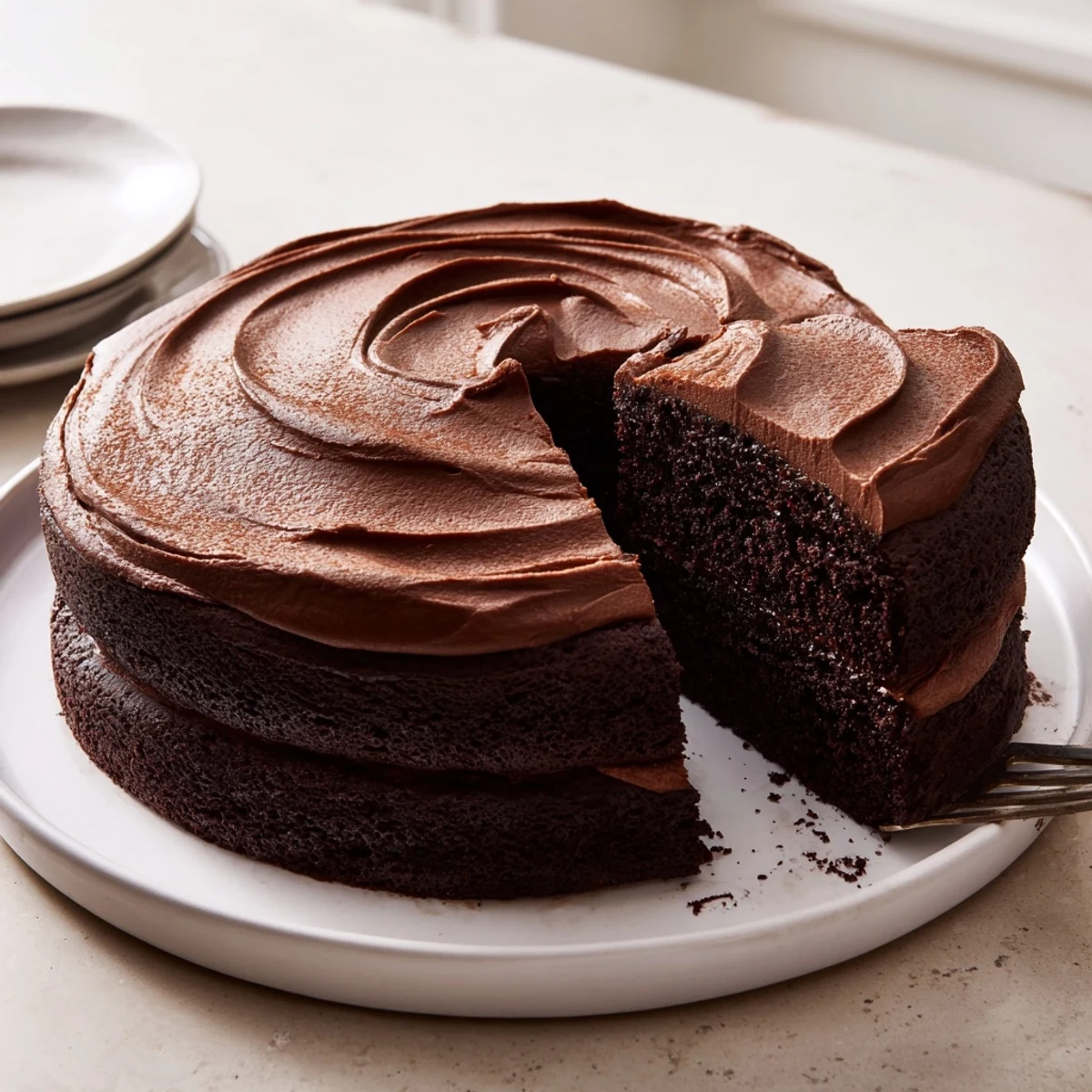
- Place one layer on a plate, spread frosting generously on top, and set the second layer in place. Cover the top and sides with the remaining frosting, using smooth sweeping strokes.
 Pin It
 The night my daughter turned seven, she stood on a stool beside me and frosted her own birthday cake with more enthusiasm than precision. It was lumpy and uneven and absolutely the most beautiful thing on the table, and she glowed with pride every time someone took a bite.
Getting the Frosting Right
Your butter needs to be truly soft, not melted, not cold, but that pliable room temperature stage where it gives slightly when you press it. If the frosting feels too stiff, add milk one teaspoon at a time until it spreads smoothly without dragging at the cake crumbs beneath it.
Making It Your Own
Substituting buttermilk for regular milk adds a subtle tang that pairs beautifully with the sweetness of the cake. A handful of chocolate chips folded into the batter or a layer of raspberry jam between the layers can turn this into something entirely new without much extra effort.
Storing and Serving
This cake stays moist for up to three days at room temperature when covered, and actually tastes even better the day after baking. The flavors settle and deepen overnight in a way that makes the wait worthwhile.
- Cover the cut sides with a piece of plastic wrap pressed gently against the exposed cake to prevent drying.
- Leftover slices freeze beautifully when wrapped tightly in foil and can be thawed for a quick dessert emergency.
- Serve with strong coffee or a glass of port wine for the full experience.
 Pin It
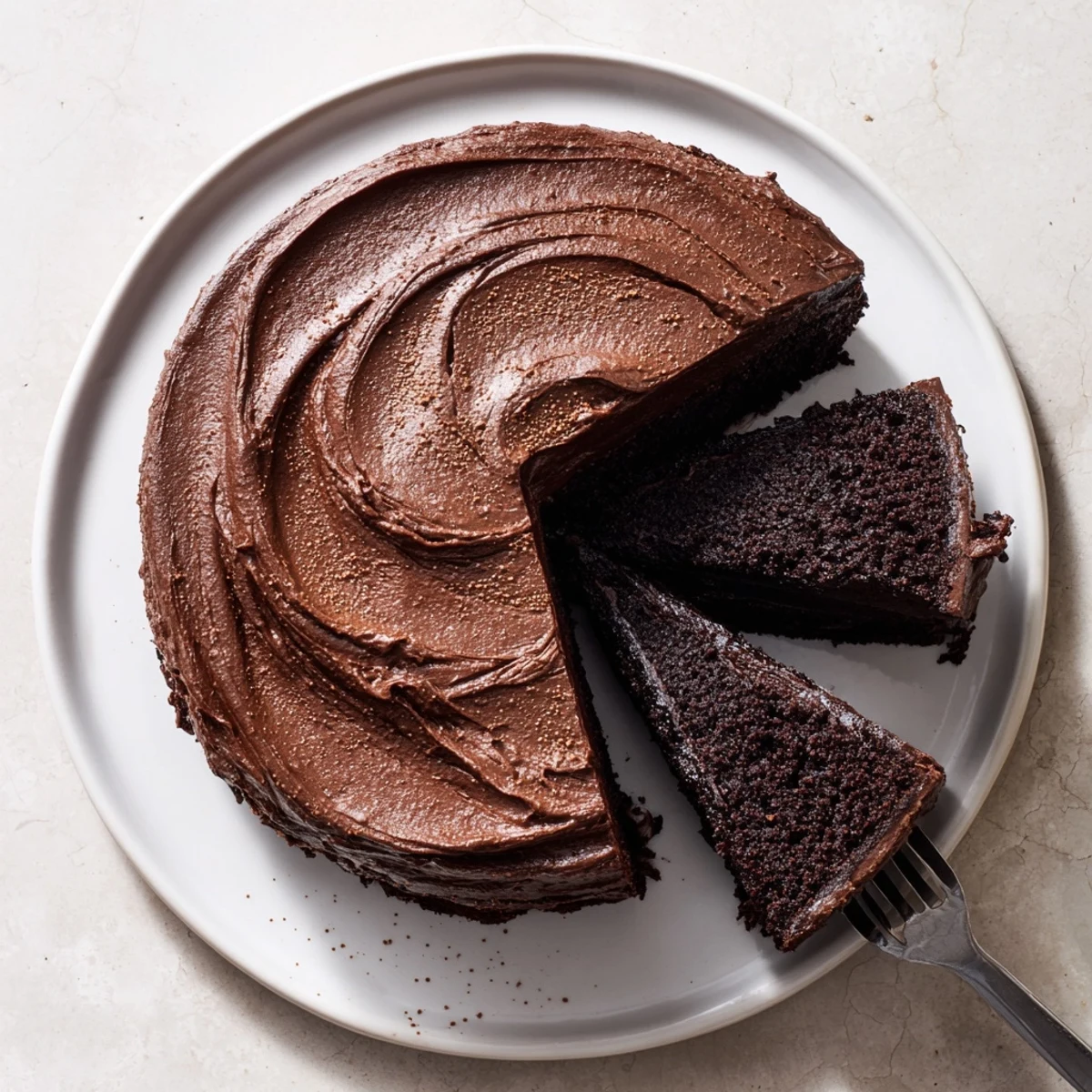
 Every time I make this cake, the kitchen smells like warmth and comfort and someone always wanders in asking when it will be ready. That is the real magic of it.
Recipe Questions & Answers
- → How do I keep the cake moist?
-
Use the specified oil and don’t overmix the batter once wet and dry ingredients are combined. Adding boiling water as directed deepens flavor and keeps the crumb tender; allowing the cake to cool briefly in the pans helps retain moisture.
- → Can I swap milk for buttermilk?
-
Yes. Replacing regular milk with buttermilk adds tang and extra tenderness. If using buttermilk, the leavening balance in the batter works well with the baking soda included in the mix.
- → How can I test for doneness?
-
Insert a toothpick or skewer into the center; it should come out with a few moist crumbs but no wet batter. The tops should spring back slightly when pressed.
- → Any tips for smooth frosting?
-
Beat softened butter until creamy before gradually adding powdered sugar and cocoa. Add milk a little at a time to reach spreadable consistency, and chill briefly if the frosting becomes too soft while assembling.
- → How long does the cake keep and how should I store it?
-
Fully frosted and refrigerated, the cake keeps well for 3–4 days. For room-temperature short storage (1–2 days), cover loosely to prevent drying. Freeze layers wrapped tightly for up to 2 months.
- → How can I boost chocolate flavor?
-
Stir 1 teaspoon of instant coffee or espresso powder into the hot water called for in the batter; it enhances the cocoa without adding a coffee taste. Use high-quality cocoa for deeper chocolate notes.