
 Pin It
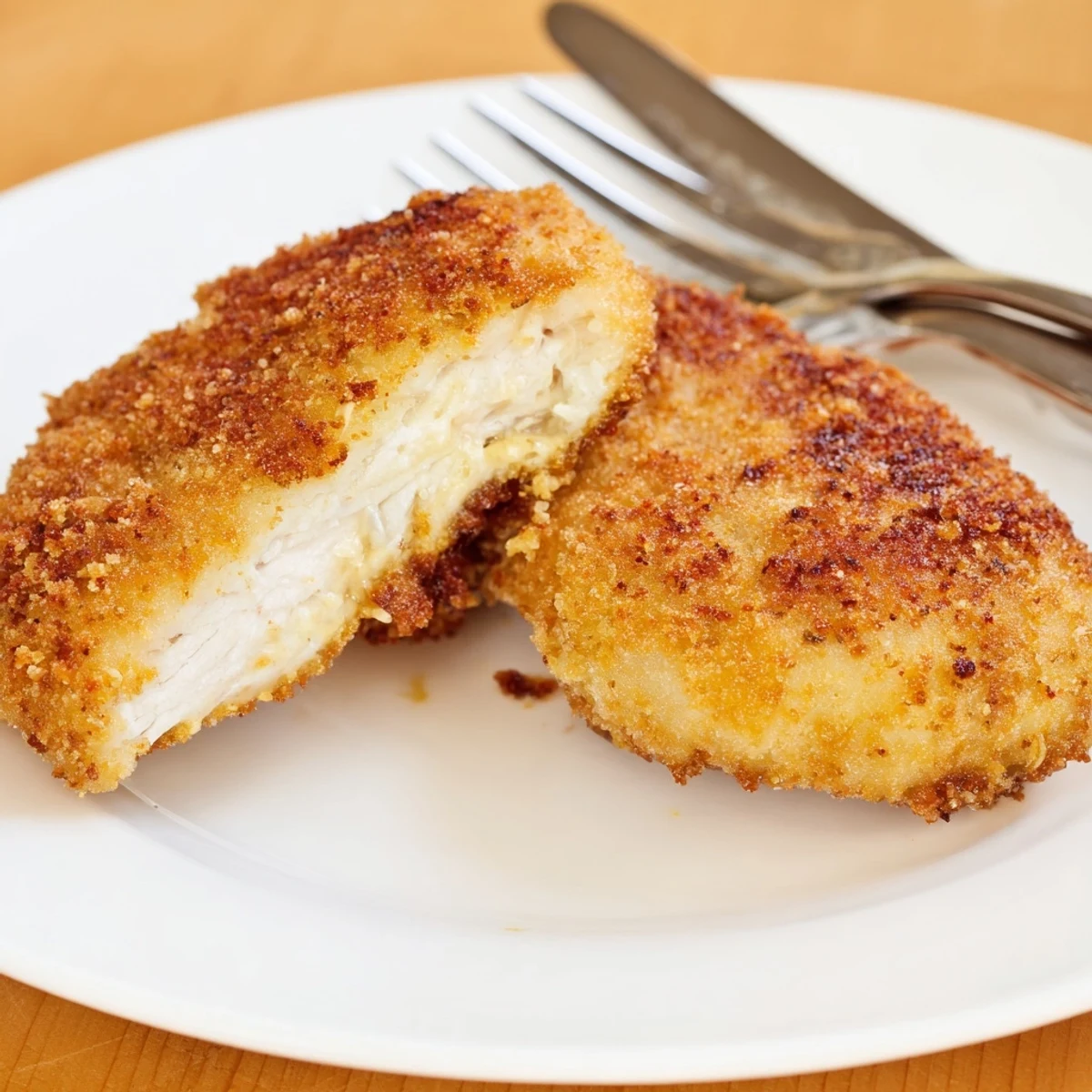
 Pound boneless chicken breasts to about 1/2 inch, then soak in buttermilk with salt and pepper to tenderize. Dredge in a mix of all-purpose flour, cornstarch and spices (paprika, garlic powder, optional cayenne), pressing the coating to adhere. Heat oil to 350°F (175°C) and fry in batches about 6–7 minutes per side until internal temp reaches 165°F (74°C). Drain on paper towels and rest 2–3 minutes before serving with mashed potatoes, coleslaw, or on a sandwich roll. Use a thermometer and avoid overcrowding for even browning.
The sizzle of chicken hitting hot oil is one of those sounds that pulls everyone into the kitchen, no invitation needed. My neighbor once knocked on my door just to ask what I was cooking because the smell had drifted through her open window. Fried chicken breast has a way of turning an ordinary Tuesday into something worth remembering. It is honest, golden, and endlessly satisfying.
One summer evening, I made a platter of these for a backyard gathering and watched three grown adults quietly arm wrestle over the last piece. Nobody talked much while eating, which is the highest compliment any cook can receive. That night taught me that simple food, done right, needs no introduction.
Ingredients
- 4 boneless, skinless chicken breasts: Pounding them to an even thickness ensures they cook uniformly and stay juicy throughout.
- 1 cup buttermilk: The acidity tenderizes the meat while adding a subtle tang that pairs perfectly with the seasoned crust.
- 1 cup all-purpose flour: Forms the sturdy base of the coating that crisps up beautifully in hot oil.
- 1/2 cup cornstarch: This is what makes the crust light and extra crunchy, a trick borrowed from Korean fried chicken.
- 1 teaspoon paprika: Adds a warm, smoky undertone and gives the crust its inviting golden color.
- 1 teaspoon garlic powder: Delivers savory depth without the risk of burning that fresh garlic can bring during frying.
- 1/2 teaspoon cayenne pepper (optional): A gentle heat that lingers in the background and keeps people reaching for another bite.
- Vegetable oil for frying: Use a neutral oil with a high smoke point to keep the flavor clean and the crust golden.
Instructions
- Flatten the chicken:
- Place each breast between two sheets of plastic wrap and pound gently with a mallet or rolling pin until about half an inch thick. You will hear a satisfying soft thud as the meat yields and evens out beautifully.
- Make the buttermilk bath:
- Whisk together the buttermilk, salt, and pepper in a bowl wide enough to hold all four breasts. Submerge the chicken completely and let it soak for at least thirty minutes, though overnight in the fridge is even better.
- Build the seasoned coating:
- In a separate bowl, combine the flour, cornstarch, paprika, garlic powder, cayenne, salt, and pepper, whisking until evenly blended. The mixture should smell fragrant and slightly earthy before the chicken even touches it.
- Dredge with intention:
- Lift each piece from the buttermilk, let the excess drip off for a few seconds, then press it firmly into the flour mixture on all sides. Really press the coating into every crevice so nothing falls off during frying.
- Heat the oil:
- Pour about two inches of oil into a large skillet and bring it to 350 degrees Fahrenheit over medium heat. The surface should shimmer and a tiny pinch of flour dropped in will sizzle immediately.
- Fry until golden:
- Carefully lower the chicken into the oil, working in batches so the pan never gets crowded. Cook six to seven minutes per side until deeply golden and the internal temperature reaches 165 degrees Fahrenheit.
- Rest before serving:
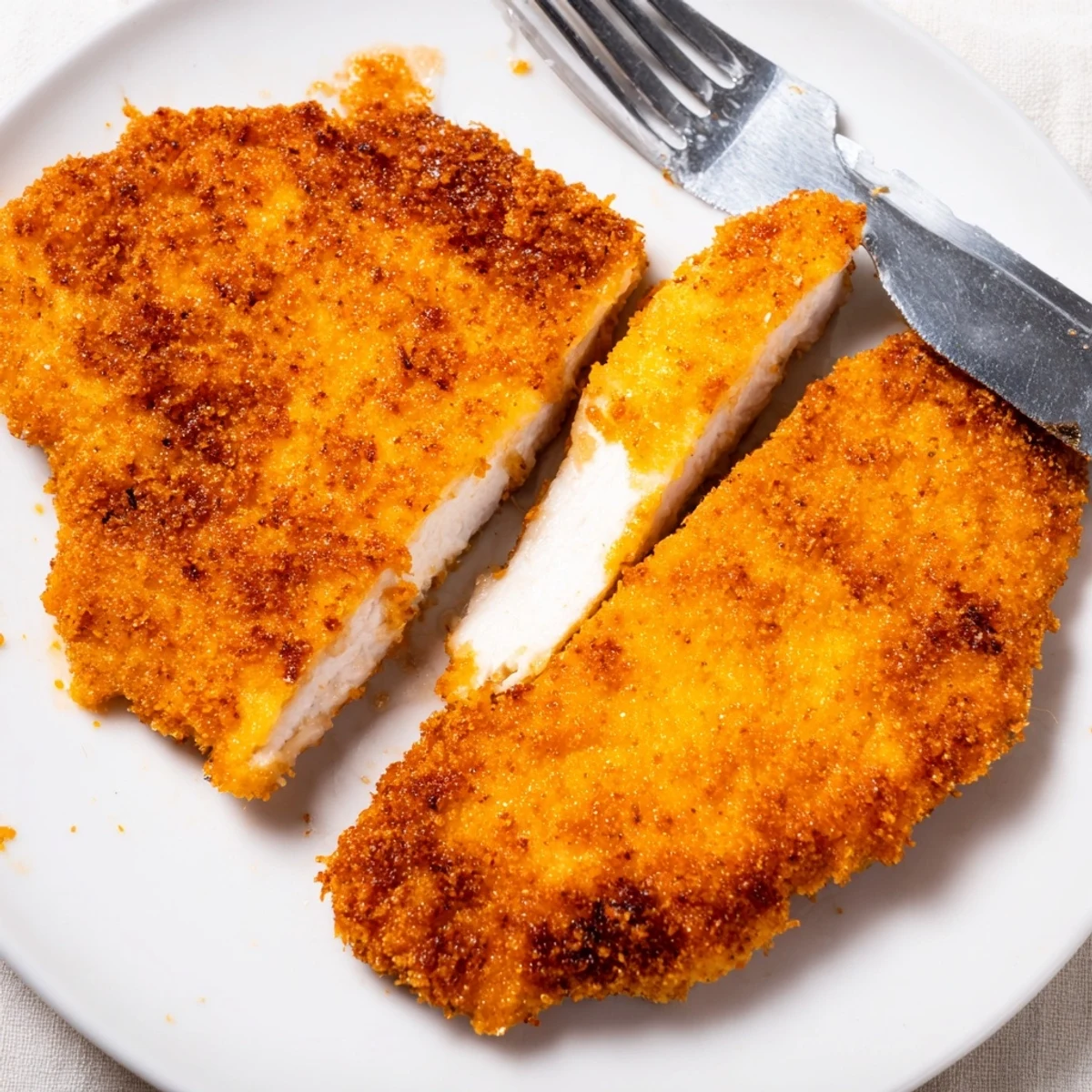
- Transfer the chicken to a paper towel lined plate and let it rest for two to three minutes. This pause locks in the juices and keeps the crust from steaming soft against the plate.
 Pin It
 A plate of this fried chicken once turned a rainy Sunday into an impromptu dinner party when friends showed up unannounced. I threw together a quick slaw and we ate standing around the kitchen counter, licking our fingers between bites. Some meals are not about the table setting but about the way food makes people linger.
Getting the Oil Temperature Right
Oil temperature is the single most important variable in fried chicken. If you do not have a kitchen thermometer, test the oil by dropping in a small cube of bread, which should turn golden in about sixty seconds when the temperature is correct.
Pairings That Make the Meal
This chicken shines brightest beside something cool and creamy like coleslaw or a simple potato salad. A drizzle of honey over the top or a splash of hot sauce adds a sweet or fiery contrast that makes each bite more interesting than the last.
Making It Your Own
Once you master the basic technique, the coating becomes a canvas for your own flavors and cravings.
- Try adding dried oregano and lemon zest for a Mediterranean twist.
- Swap paprika for smoked paprika if you love a deeper campfire flavor.
- Always taste the flour mixture before dredging so you can adjust salt and spice to your liking.
 Pin It
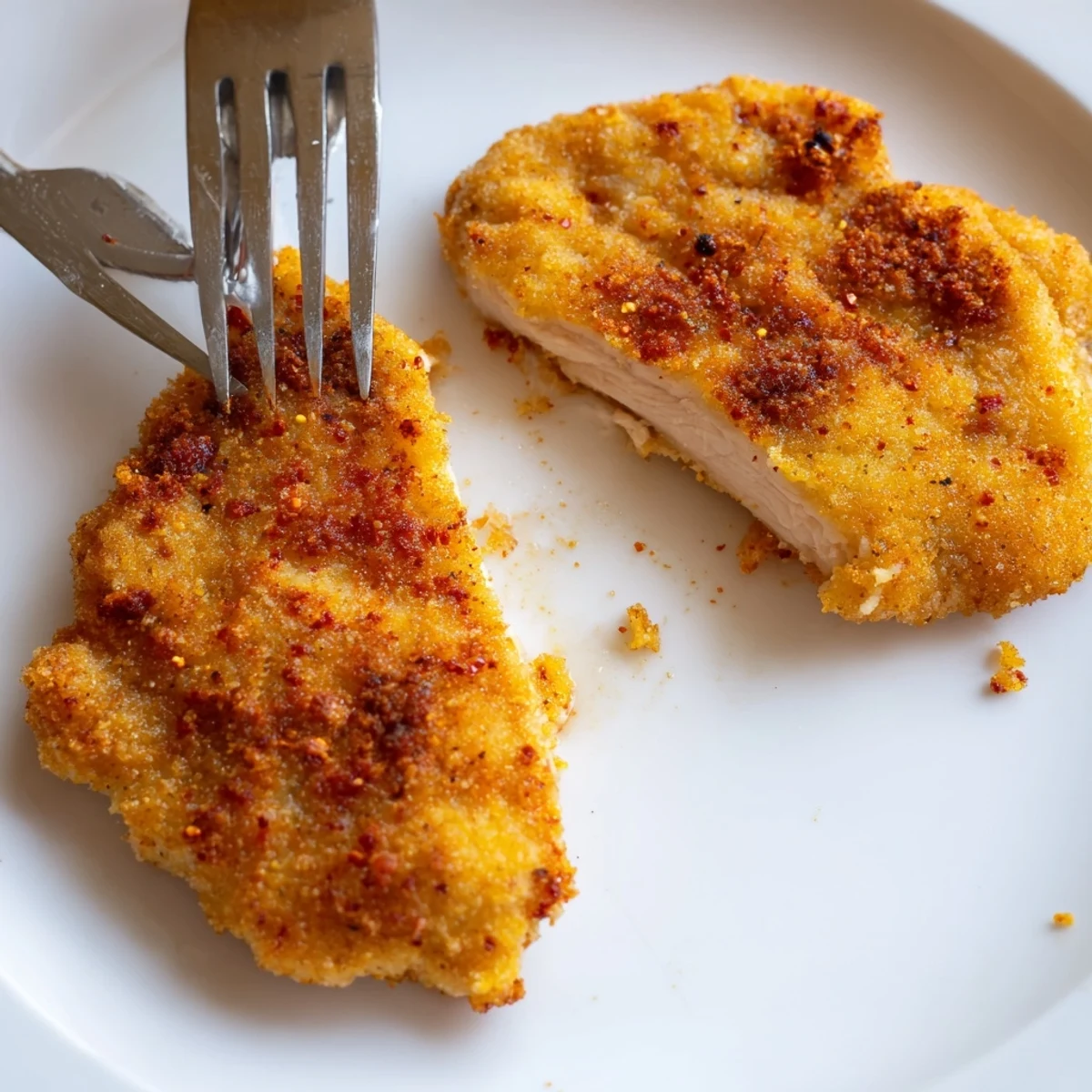
 Fried chicken breast is proof that a handful of humble ingredients can create something truly special. Share it generously and watch the room go quiet.
Recipe Questions & Answers
- → How long should I marinate the chicken?
-
At least 30 minutes yields tender results; for extra juicy meat, marinate up to 4 hours or overnight in the refrigerator to deepen flavor and tenderness.
- → Why use cornstarch in the coating?
-
Cornstarch lightens the crust and helps achieve a crisp, shatteringly crunchy exterior while the flour provides structure and browning.
- → What oil temperature is best for frying?
-
Heat oil to around 350°F (175°C). This temp crisps the coating without burning and allows the breast to cook through without overbrowning.
- → How can I make the coating extra crispy?
-
Pound breasts to an even thickness, press the flour-cornstarch mix firmly to adhere, fry in small batches to maintain oil temp, and let the cooked pieces rest briefly on a rack or paper towels.
- → Can I substitute ingredients for dietary needs?
-
Use gluten-free flour blends in place of all-purpose flour and verify cornstarch and frying oil labels. Buttermilk can be swapped for a milk and vinegar mixture if needed.
- → How should leftovers be stored and reheated?
-
Cool to room temperature, refrigerate within two hours in an airtight container for up to 3 days. Reheat in a 350°F oven or air fryer to restore crispness rather than the microwave.