
 Pin It
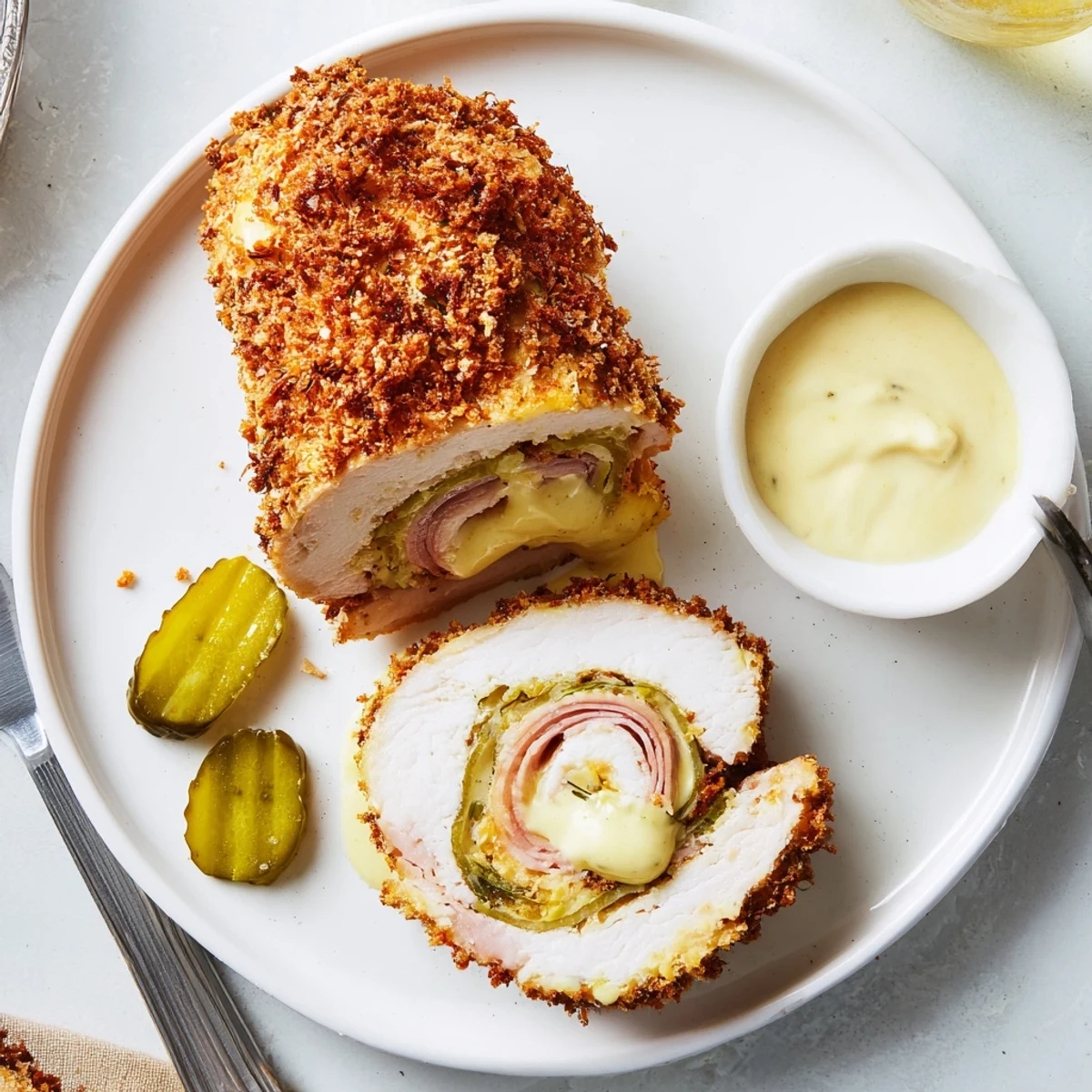
 Brine chicken breasts in dill pickle juice with garlic and onion powder for at least an hour to infuse tang and tenderize. Pound thin, layer with Swiss or provolone and optional smoked ham, then roll and secure. Dredge in flour, egg wash, and panko seasoned with paprika and dill, press to adhere. Bake at 400°F until golden and 165°F internal, rest 5 minutes, slice and serve with creamy mustard or extra pickles; broil 2-3 minutes for extra crunch.
My friend Jake dared me to make pickle brined chicken after swearing it was the secret to the best fried chicken hed ever eaten in Texas, and I honestly thought hed lost his mind until I tasted the results myself.
I served these at a game night where three people asked for the recipe before halftime, and one friend sat in the corner guarding the last roll with his hand until I promised to make them again the following weekend.
Ingredients
- Dill pickle juice: This is the magic ingredient that tenderizes the meat and adds a subtle tang without making it taste like a pickle spear, so use juice from a good quality brand you actually enjoy drinking.
- Garlic powder and onion powder: Added to the brine to layer in savory depth that penetrates the chicken rather than just sitting on the surface.
- Boneless skinless chicken breasts: Pounded thin so they roll easily and cook evenly, avoiding the dreaded raw center problem.
- Swiss or provolone cheese: Both melt beautifully inside the rolls, but provolone gives a slightly creamier texture while Swiss adds a nutty sharpness.
- Smoked ham: Optional but highly recommended because that smoky layer between the chicken and cheese transforms the whole flavor profile.
- All purpose flour: The first station in your breading lineup creates a dry surface for the egg to grip onto.
- Eggs and milk: Beaten together as the binding layer that holds the crispy coating in place during baking.
- Panko breadcrumbs: These Japanese style crumbs create a crunch that regular breadcrumbs simply cannot match, even after oven baking.
- Paprika and dried dill: Mixed into the panko for color and a faint herbal warmth that complements the pickle tang beautifully.
Instructions
- Pound and brine the chicken:
- Slide each breast between two sheets of plastic wrap and flatten them gently with a mallet to a quarter inch thickness, then tuck them into a bag with the pickle juice and spices and let the fridge work its magic for at least an hour or up to overnight.
- Set up the oven:
- Crank the heat to 400 degrees Fahrenheit, line a baking sheet with parchment, and give it a quick spray so nothing sticks later when you are hungry and impatient.
- Roll them up:
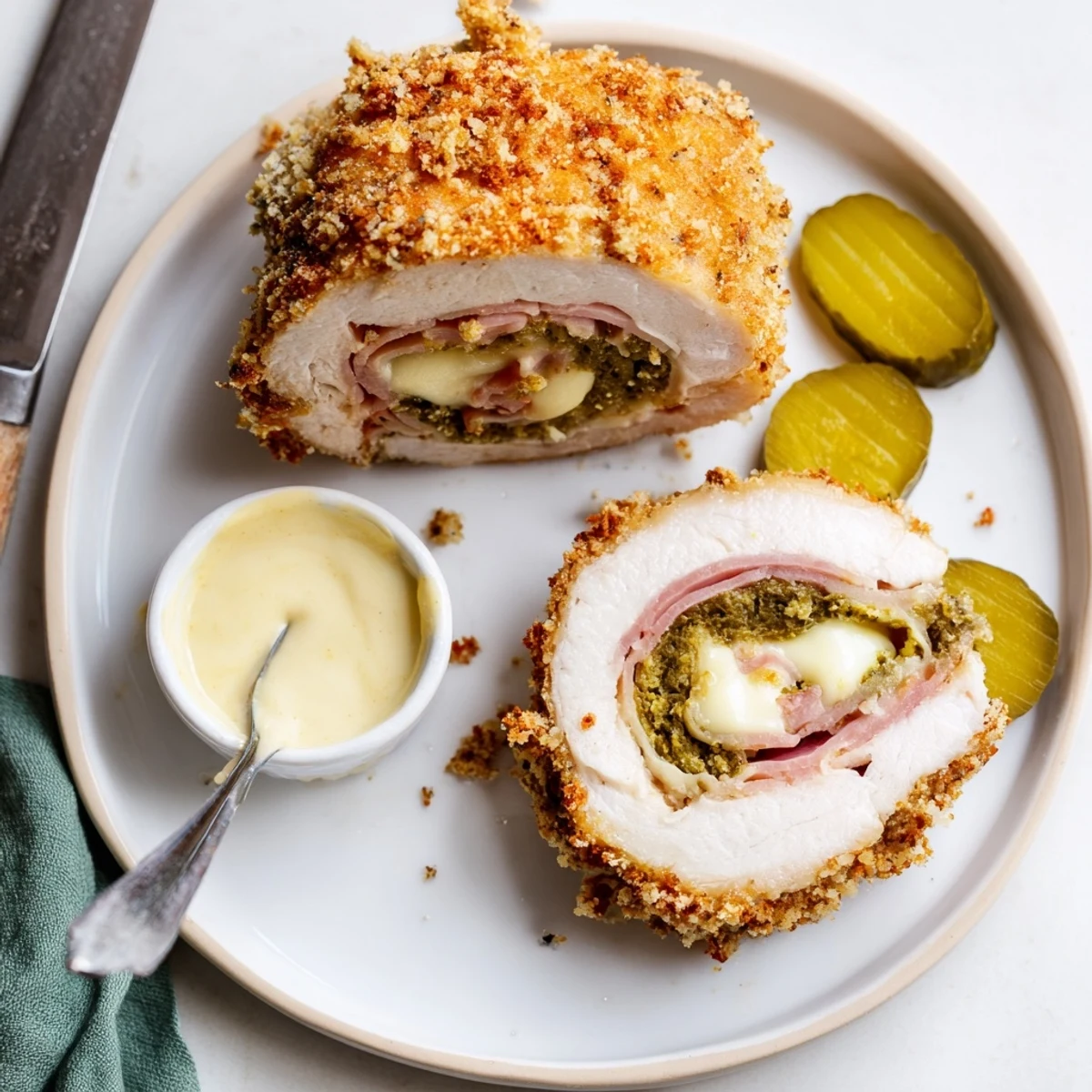
- Pat the chicken dry, season lightly, lay a slice of cheese and ham on each piece, then roll tightly like you are tucking in something precious and pin with toothpicks so nothing escapes.
- Build the crust:
- Set up your flour, egg wash, and seasoned panko in three bowls side by side, then dredge each roll through the lineup with gentle pressure so the breadcrumbs really hug every curve.
- Bake until golden:
- Arrange the rolls on the sheet, give their tops a generous spray of oil, and let them bake 25 to 30 minutes until the crust turns a deep amber and the internal temperature hits 165 degrees.
- Rest and serve:
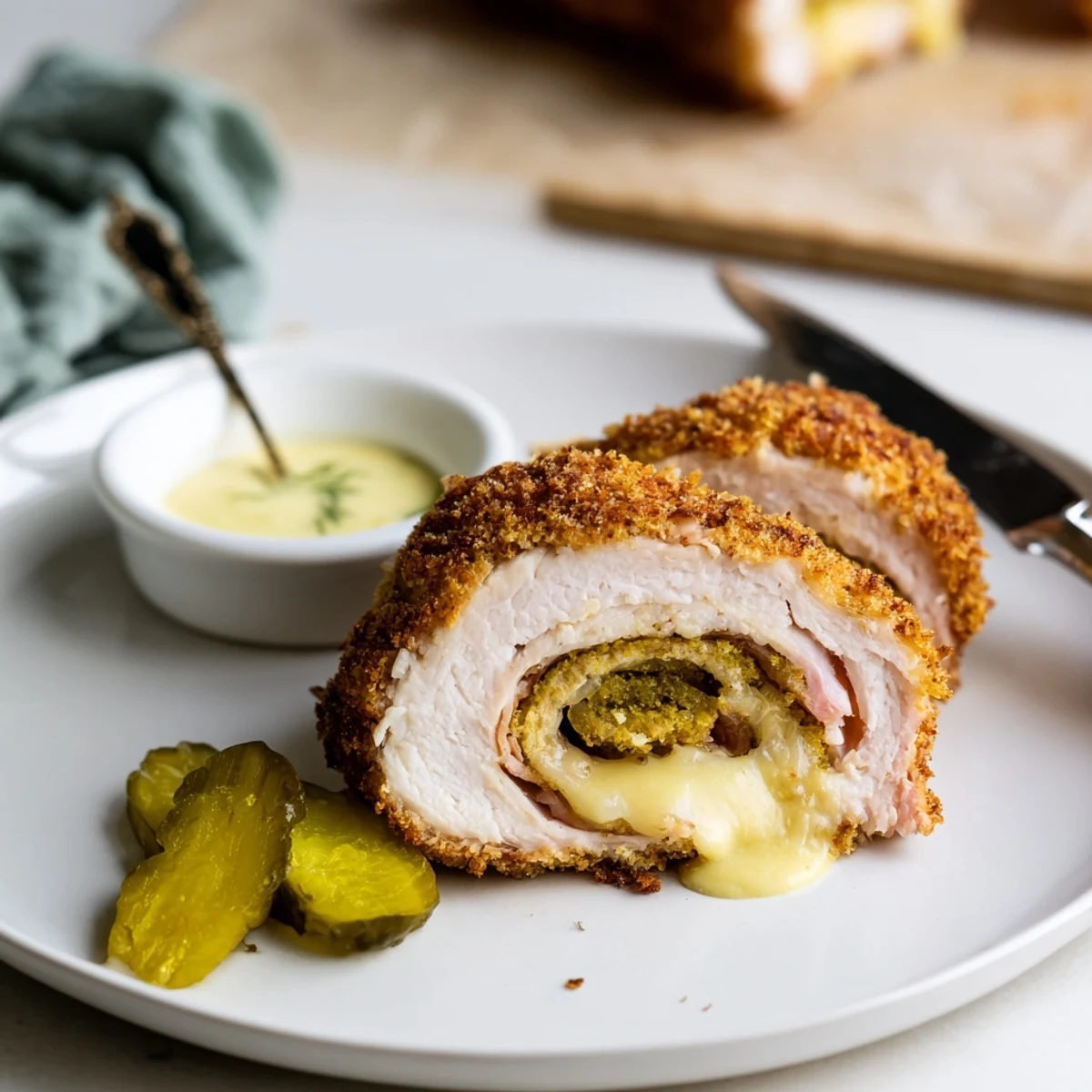
- Let them sit for five minutes so the cheese settles, pull out the toothpicks carefully, slice on a diagonal for presentation, and watch people lean in for a closer look.
 Pin It
 These rolls became my unofficial contribution to every potluck invitation after that game night, and now people just assume I am bringing them without asking.
Getting the Breading to Stick
The most common frustration with oven baked cutlets and rolls is watching the beautiful crust slide off in sheets when you slice them, but a few small habits fix this completely. Make sure your flour coating is thin and even, shake off excess egg before hitting the panko, and press the crumbs on with the palm of your hand rather than just rolling. A brief rest in the fridge for ten minutes after breading also helps the whole armor set before it meets the heat.
Choosing the Right Pickle Juice
Not all pickle juices are created equal, and the brand you pour straight from the jar will quietly shape the final flavor of your chicken. Go for dill varieties with garlic and avoid sweet bread and butter pickles unless you want a noticeably sweeter result that might clash with the savory ham and cheese. I once used a spicy dill brine on accident and ended up with a version I now make on purpose during colder months.
Serving and Storing Leftovers
These rolls are at their absolute best fresh from the oven when the crust shatters between your teeth and the cheese oozes out like lava, but leftovers reheat surprisingly well if you know the trick. Skip the microwave entirely because it turns the breading into something sad and rubbery. Instead, lay slices on a rack over a baking sheet and reheat at 375 degrees for about ten minutes until the crunch returns.
- A creamy mustard sauce made with whole grain mustard, a spoonful of mayo, and a squeeze of lemon is the only dipping sauce you will ever need.
- Extra pickle spears on the side are not a garnish here, they are mandatory.
- If you are meal prepping, wrap unbaked rolls tightly and freeze them for up to a month before breading and baking straight from frozen with extra time.
 Pin It
 Every time I make these rolls I think about that first skeptical bite and how a simple jar of pickle juice completely changed what I thought oven chicken could be. Keep a jar in your fridge and you will always be one brine away from something extraordinary.
Recipe Questions & Answers
- → How long should the chicken brine?
-
Brine for at least 1 hour to add tang and improve moisture; you can refrigerate overnight for deeper flavor, but avoid much longer to prevent overly soft texture.
- → Can I substitute the cheese?
-
Yes. Swiss or provolone melt nicely, but cheddar or mozzarella work too—choose a slice that melts evenly without overpowering the pickle tang.
- → How do I keep the panko coating crisp?
-
Press panko firmly to adhere, spray or drizzle a little oil before baking, and finish under the broiler 2–3 minutes if you want extra crunch without frying.
- → What internal temperature signals doneness?
-
Cook until the thickest part reaches 165°F (74°C); this ensures the chicken is safe and juicy. Rest a few minutes before slicing to retain juices.
- → Can I make these ahead or freeze them?
-
Assemble and refrigerate up to a day before baking. For freezing, par-bake briefly then cool and freeze; reheat and finish baking to crisp the panko when ready to serve.
- → Any tips for handling thin chicken breasts?
-
Pound between sheets of plastic wrap to an even 1/4-inch thickness for uniform cooking and easier rolling; thin pieces also absorb the brine more quickly.