
 Pin It
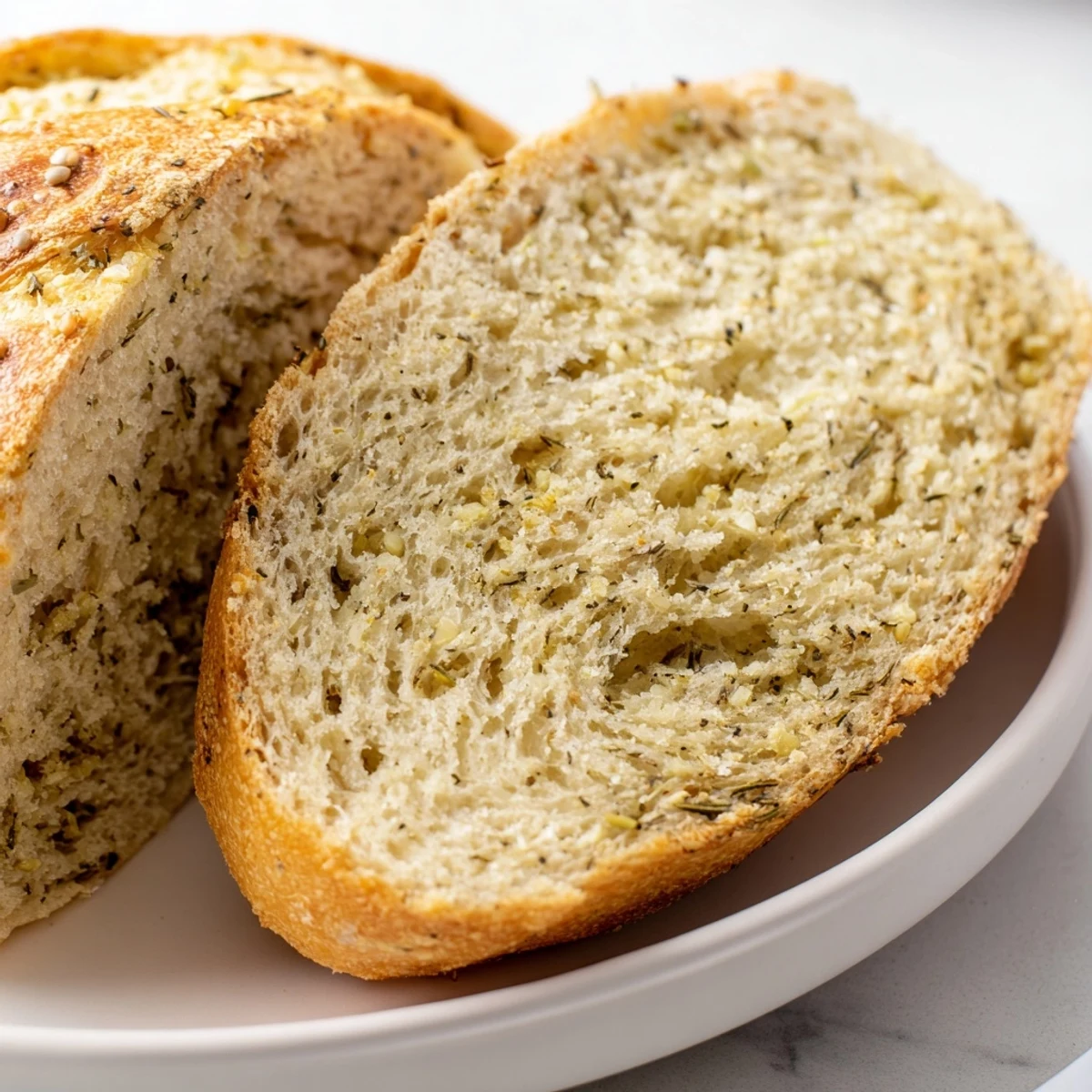
 This artisan-style bread combines the rustic charm of traditional baking with the convenience of a Dutch oven. The dough gets infused with aromatic garlic, fresh rosemary, thyme, and parsley, creating a fragrant loaf that fills your kitchen with incredible aromas. Baking in a preheated Dutch oven creates the perfect steam environment, resulting in that coveted crisp, crackly crust while keeping the inside tender and airy. The final brush with melted butter adds extra richness and helps the herbs cling to the surface. Perfect alongside soups, salads, or simply torn and enjoyed with olive oil.
The winter our old oven finally died, I discovered Dutch oven baking out of necessity. My kitchen was filled with the most incredible garlic and herb aroma as this bread baked, and I remember standing by the stove just breathing it in. That first bite of warm, crusty bread slathered with butter made me forget all about the broken oven. Now it's become the bread my friends actually request when they come over for dinner.
Last summer I made three loaves for a backyard gathering, and honestly, they disappeared faster than anything else on the table. My neighbor asked for the recipe before she even finished her first slice, and now she makes it every Sunday. There's something about tearing into warm, homemade bread with friends that makes any gathering feel special.
Ingredients
- Bread flour: Higher protein content than all purpose gives this bread its structure and chewy crumb
- Active dry yeast: One packet is perfect, but make sure your water is warm, not hot, or youll kill the yeast
- Warm water: 110°F is ideal, think bathwater temperature, and it helps activate the yeast quickly
- Olive oil: Keeps the dough tender and adds subtle richness that complements the garlic
- Garlic cloves: Fresh minced garlic distributes throughout the dough for aromatic bites throughout
- Fresh rosemary and thyme: Woody herbs hold up beautifully during baking and infuse the whole loaf
- Fresh parsley: Adds bright, fresh notes that balance the earthier herbs and garlic
- Melted butter: Brushing the hot bread with butter creates that irresistible glossy finish
Instructions
- Mix the dry foundation:
- Whisk together flour, salt, and sugar in your largest bowl, then stir in the yeast until evenly distributed
- Build the dough:
- Pour in warm water and olive oil, stirring with a wooden spoon until a shaggy, sticky dough comes together
- Infuse with flavor:
- Fold in minced garlic and all those chopped fresh herbs until theyre dotted throughout the dough
- Let it rise:
- Cover the bowl and walk away for 2 hours, until the dough has doubled and feels puffy and alive
- Shape your loaf:
- Turn the dough onto a floured surface and gently tuck the edges underneath to form a tight round
- Rest again:
- Place the dough on parchment, cover loosely, and let it relax for 30 minutes while you preheat
- Preheat your Dutch oven:
- Put your Dutch oven and lid in a cold oven, then crank it to 450°F for at least 30 minutes
- Bake covered:
- Carefully lower the dough into the screaming hot pot using parchment, score the top, and cover
- Create the crust:
- Bake for 30 minutes covered, then remove the lid and bake another 15 to 20 minutes until golden
- Finish with butter:
- Brush the hot crust with melted butter and sprinkle with extra herbs while it cools
 Pin It
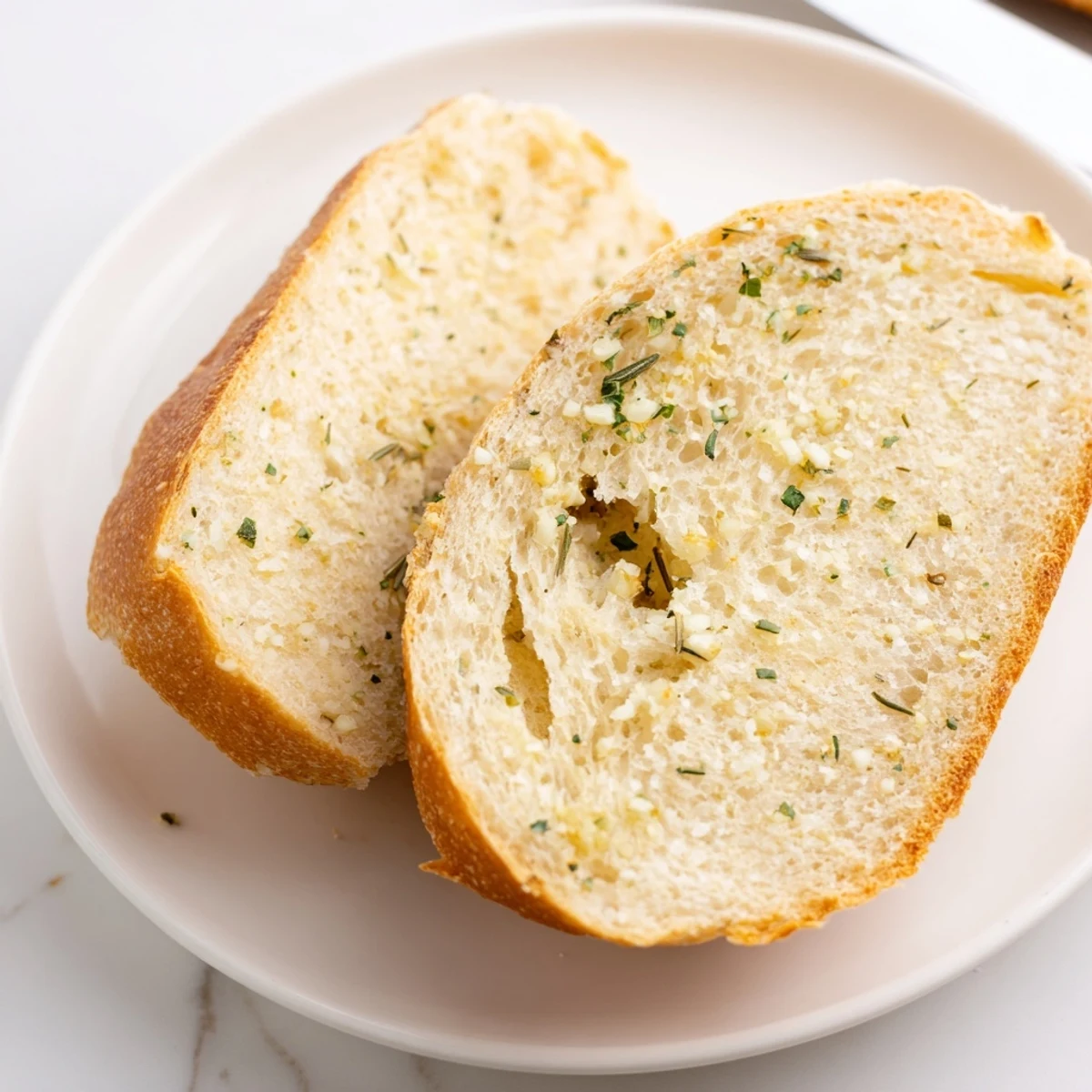
 My sister texted me at midnight once after making this bread, saying she ate half the loaf standing at the counter. That's exactly what happens when you pull something this fragrant and golden from your own oven. It turns an ordinary Tuesday dinner into something worth celebrating.
Mastering the Dutch Oven Technique
The Dutch oven acts like a mini steam oven, trapping moisture around the bread and creating that professional blistered crust. I learned the hard way that putting cold dough into a cold pot just doesn't work the same way. Everything needs to be screaming hot when they meet.
Herb Substitutions
Fresh herbs really shine here, but I've made this with dried herbs in a pinch and it still delivers. Use one teaspoon of each dried herb since they're more concentrated. Sometimes I'll add dried oregano or even everything bagel seasoning for a completely different vibe.
Serving and Storage
This bread is best eaten the day it's baked, when the crust is at its crispest and the interior is still tender. If you somehow have leftovers, wrap the cooled bread in a clean kitchen towel or paper bag, never plastic, which makes the crust soggy.
- Revive day old bread in a 350°F oven for 10 minutes
- Slice and freeze individual pieces for quick toasting later
- Use slightly stale bread to make the most incredible garlic bread or croutons
 Pin It
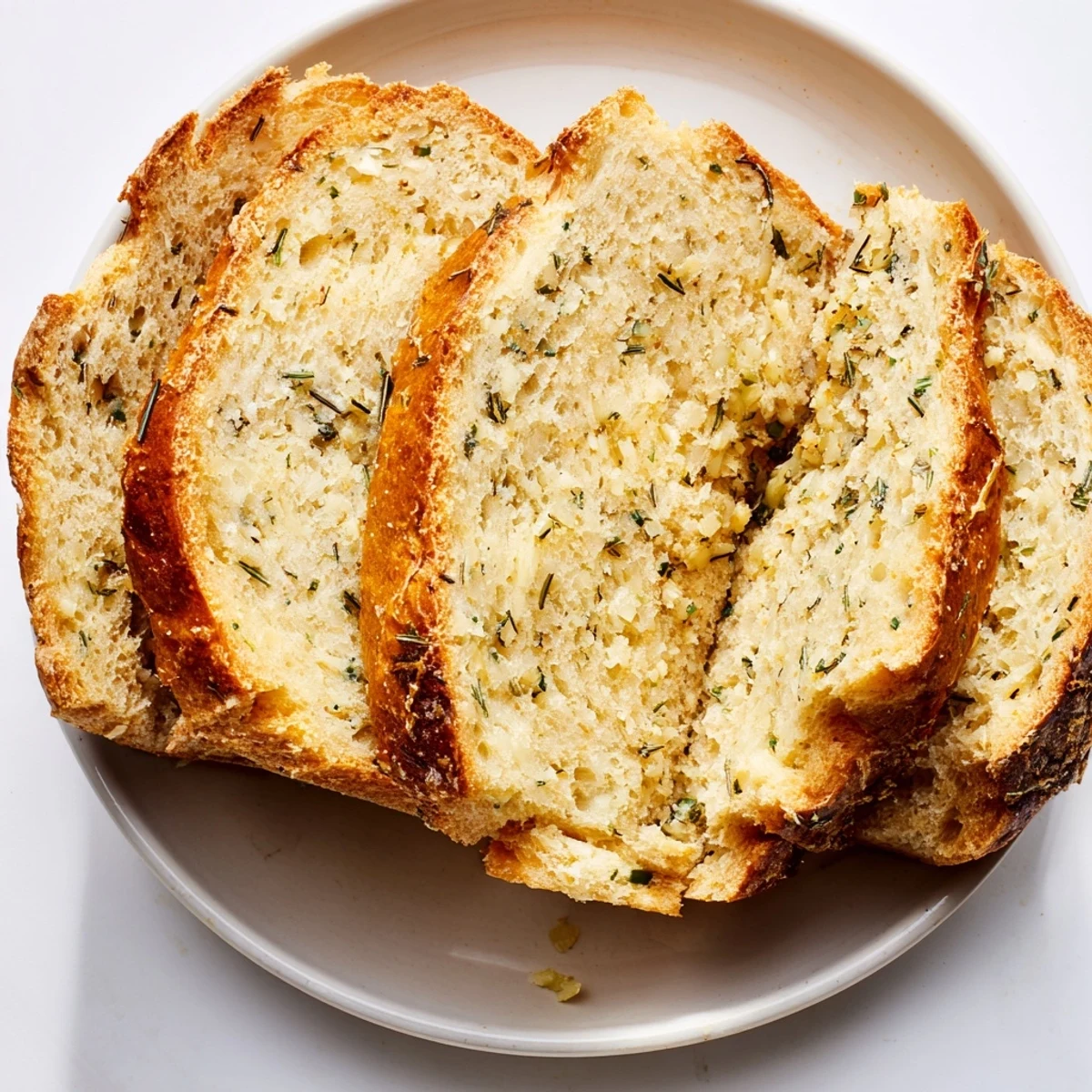
 There's nothing quite like the sound of a freshly baked loaf crackling as it cools on your counter. Get ready for your kitchen to smell absolutely incredible.
Recipe Questions & Answers
- → Why use a Dutch oven for bread?
-
A Dutch oven creates a steam-filled environment that mimics professional deck ovens. The trapped moisture allows the bread to expand fully before the crust sets, resulting in a beautifully risen loaf with a crispy, crackly exterior and soft, airy interior.
- → Can I use dried herbs instead of fresh?
-
Yes, you can substitute dried herbs. Use approximately 1 teaspoon of each dried herb in place of the fresh tablespoons. The flavor will be slightly more concentrated, so you may want to start with less and adjust to your taste.
- → How do I know when the bread is done?
-
The bread is ready when the crust is a deep golden brown color and sounds hollow when tapped on the bottom. An instant-read thermometer inserted into the center should read between 190-200°F (88-93°C) for fully baked bread.
- → Can I make this dairy-free?
-
Simply omit the butter brushing at the end or substitute with olive oil. The dough itself contains no dairy products other than the optional finishing butter, so it's easily adaptable for dairy-free diets.
- → How should I store this bread?
-
Store the cooled bread in a paper bag or wrapped loosely in a clean kitchen towel at room temperature for up to 2 days. For longer storage, slice and freeze in an airtight bag, then toast individual slices as needed.
- → What size Dutch oven do I need?
-
You need a Dutch oven of at least 4 quarts (4 liters) capacity. This gives the dough enough space to rise without touching the lid. Most standard 5-6 quart Dutch ovens work perfectly for this loaf size.